
As an Amazon Associate, I earn from qualifying purchases.
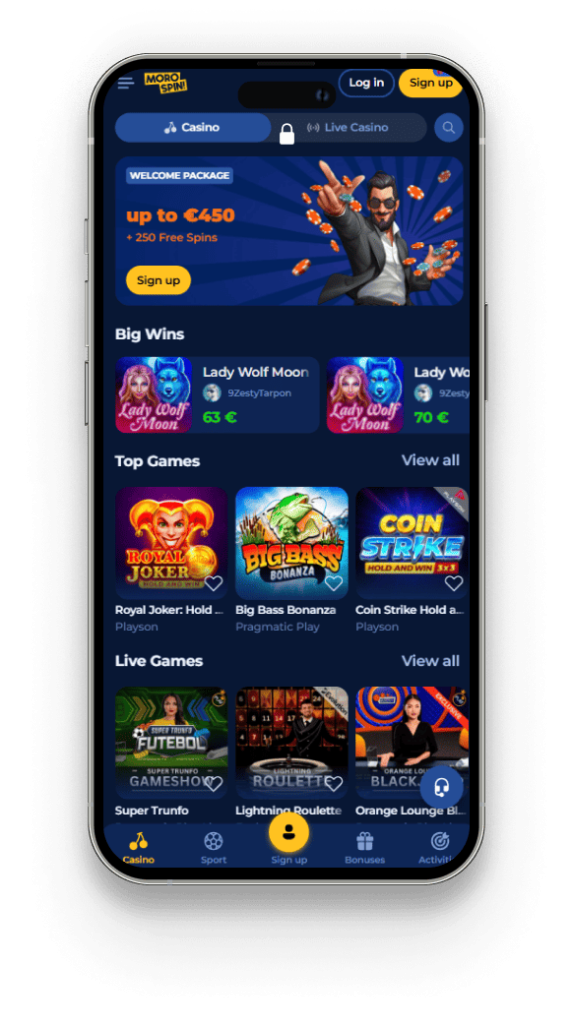
Gambling commissions are separate or government bodies that manage licensing, uphold operating rules and safeguard players. For Canadian users of Morospin Casino, knowing how these regulators work can resolve questions about rights, dispute resolution and responsible gambling expectations. This guide walks through the practical role of gambling commissions, provincial regulatory models, player protection mechanisms and affiliate compliance. It does not replace legal advice, but it delivers a clear reference for anyone assessing licensing and affiliate terms on a platform serving Canada. The focus keeps on general principles and common standards rather than jurisdiction-specific rulings.
The Core Functions of Gambling Commissions

At the fundamental level, a gambling commission provides licences to operators that fulfill technical, financial and integrity requirements. The process commonly involves background checks on owners and key staff, audits of software and random number generators, and a review of anti-money laundering procedures. Once a licence is granted, the commission oversees ongoing conduct. It can impose fines, suspend licences or revoke authorisation when operators violate conditions. Commissions also act as a point of contact for player complaints. This oversight creates a framework where operators like Morospin Casino can demonstrate accountability and players can check that a platform sits under external supervision.
Another core function is rulemaking. Gambling commissions publish codes of practice covering advertising, game fairness, privacy and responsible gambling. These codes are not static. They shift as technology changes and new risks surface. Many regulators now mandate operators to offer deposit limits, session reminders and self-exclusion tools, for instance. By setting minimum standards, commissions minimize the odds of misleading promotions and unfair terms. Players can often review a commission’s website to confirm a licence number or read enforcement actions. That transparency counts when evaluating any casino brand, including platforms that market themselves to Canadian audiences.
Partnership Programme Terms and Advertising Standards
Affiliate programs enable third-party websites advertise a casino in return for fees based on player activity. Gambling commissions often hold operators responsible for how their affiliates promote. An operator may face sanctions for deceptive statements issued by an affiliate, although the operator did not produce the advertisement. As a result, reputable platforms set strict affiliate terms that prohibit spam, fake news, or promotions aimed at minors. Affiliate marketers are commonly required to declare their commercial relationship and avoid indicating that gambling guarantees income or resolves financial problems.
Morospin Casino’s affiliate terms ought to align with these expectations. Affiliate marketers might be required to refrain from focusing on banned territories, to employ exclusively authorized marketing materials, and to remove content that may be viewed as misleading. Payment structures often encompass revenue share, cost per acquisition, or hybrid models, but the exact details should be specified in an affiliate agreement. A transparent arrangement minimizes arguments over commissions and protects the brand’s regulatory standing. Reviewing these terms before joining an affiliate programme is crucial. A violation can result in blocked commissions or ending of the affiliate account.
Partner Disclosure and Responsible Marketing Requirements
Partner content that reviews or advertises Morospin Casino must indicate clearly that it contains commercial links. Terms such as “advertising disclosure” or “affiliate partnership” help readers realize that the website might obtain a commission. Governing bodies in many jurisdictions also mandate that gambling advertisements avoid targeting heavily to young people or imply that gambling is a way to recoup losses. under the hood Responsible marketing messages should include information about age limits, problem gambling resources and the need to bet within limits. Affiliates who disregard these rules put both their own accounts and the operator’s licence at risk.
Player Protection Standards and Complaint Handling
Regulatory bodies set standards that closely affect player safety. These encompass requirements for identity verification, secure handling of funds, and separation of player deposits from operating capital. They also oblige operators to publish terms and conditions in plain language. When a dispute emerges, a player submits a complaint to the operator first. If the response proves insufficient, the relevant commission may propose mediation or arbitration. The exact process varies by the licence. Regulators generally lack the power to force an operator to pay a disputed amount unless the operator has broken a specific condition, but their findings can facilitate further legal action.
- Check the licence number on the regulator’s public register.
- Examine the operator’s complaint and dispute resolution policy.
- Ascertain whether the commission offers independent mediation.
- Keep records of deposits, withdrawals, and customer support messages.
- Employ responsible gambling tools such as limits and self-exclusion.
These practical steps help players avoid confusion when reviewing a casino’s legal page. Regulators often publish guidance documents and warning lists that identify unauthorised operators. In Canada, provincial bodies may issue alerts when an unlicensed site targets local residents. Because online gambling crosses borders, enforcement can be slower than it would be for a physical venue. Still, the existence of a commission supplies an objective reference point. Morospin Casino users should review the platform’s terms alongside any relevant provincial guidance and the standards described by the named licensing body.
Provincial Authorities and Internet Gambling in Canada
Canada does not possess a single national gambling commission. Each province and territory regulates gambling within its own borders. Ontario, for example, operates with the Alcohol and Gaming Commission of Ontario, which regulates licensed online operators under a regulated market. British Columbia, Quebec, Manitoba and others operate their own provincial platforms or work with licensed service providers. Some Canadian online brands may also hold licences from Indigenous regulators like the Kahnawake Gaming Commission. International licences from jurisdictions such as Malta, the United Kingdom or Curaçao can be present too, but they do not supersede provincial authority where local law applies.
This patchwork means Canadian players should know which regulator pertains to a given service. A provincial regulator generally covers operators legally offering gambling within that province. An overseas commission might oversee an operator’s international activities, but its rulings may not carry the same weight in a Canadian court. For a brand like Morospin Casino, the relevant licensing information should be stated clearly in the legal section of its website. Players can check that information by searching the regulator’s public register. If a platform does not name its licensing body or offer a licence number, treat that absence as a warning sign, not a minor oversight.
Reviewing the Regulatory and Affiliates Page with Confidence
When players visit a legal and affiliates page, they ought to anticipate license information, terms of use, privacy information and safe gaming resources. A absent licence number or unnamed gambling commission is a significant concern. For Morospin Casino, the regulatory page ought to reference the regulatory framework that governs the platform and describe how users can escalate a complaint. Affiliate terms need to be detailed enough to avoid misleading promotion without being so complicated that typical users are unable to grasp them. This equilibrium supports both openness and practical compliance.
Because provincial rules vary, Canadian users might be required to evaluate the information on an operator’s site with local regulatory guidance https://morospincanada.ca/legal-and-affiliates/. A platform regulated offshore could still provide services to Canadians, but it may not be protected by provincial consumer protection schemes. Gambling commissions cannot promise that every dispute concludes in a player’s favour. They do, however, offer a structured way to evaluate an operator’s conduct. Examining the compliance page meticulously, checking public registers and understanding affiliate obligations are sensible habits that reduce risk and promote more knowledgeable decisions.